

GLP-1 Insurance Coverage Cuts Spark Major Backlash as Employers Scramble to Find New Solutions for Employees
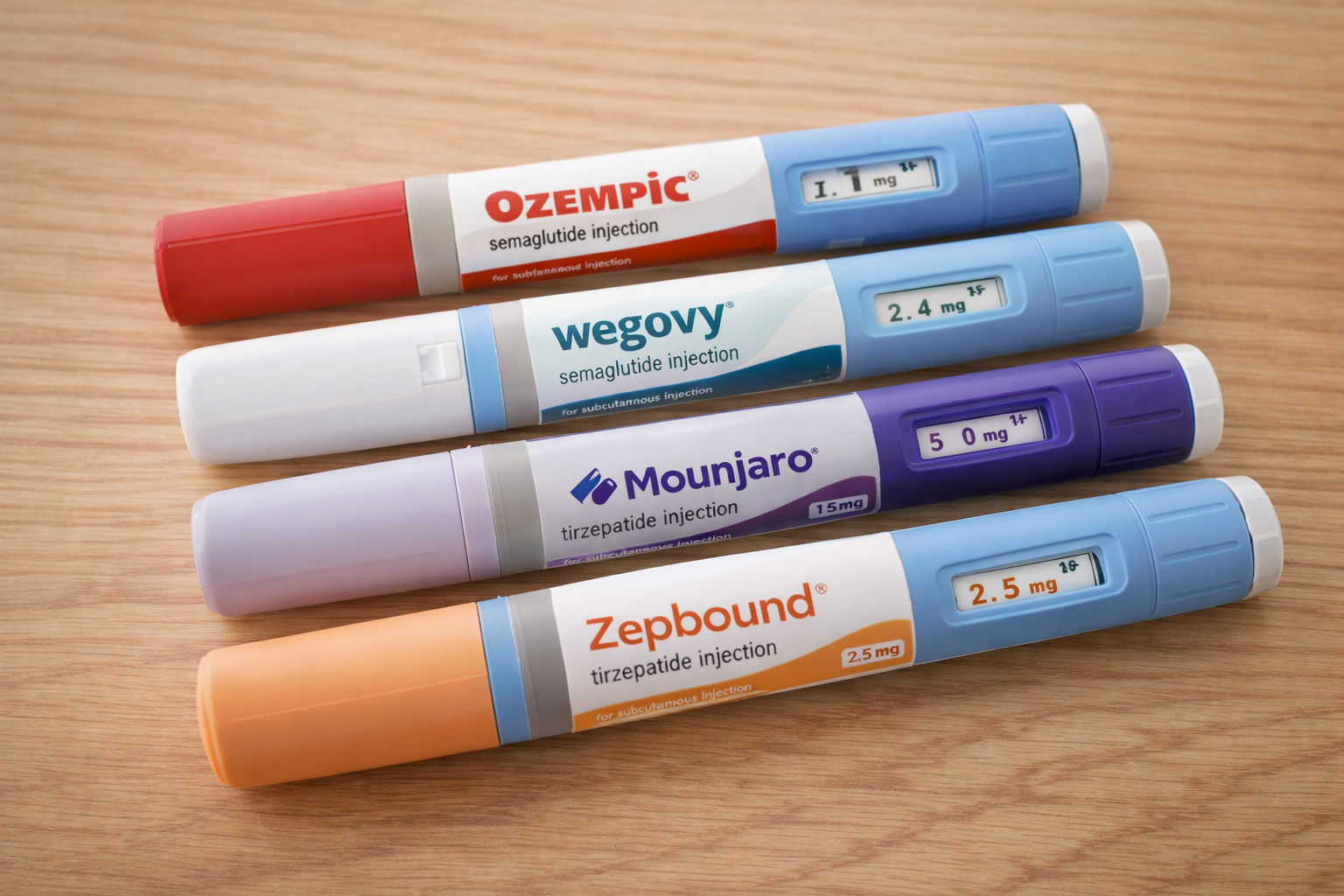
Insurers cite unsustainable costs as GLP-1 benefits disappear, accelerating a national shift in employer-sponsored healthcare.
LOUISVILLE , KY, UNITED STATES, January 21, 2026 /EINPresswire.com/ -- As major insurers across the U.S. rapidly scale back coverage for GLP‑1 weight‑loss medications, American workers are turning to their employers for answers. With GLP‑1 drugs now among the fastest‑growing drivers of healthcare spending, new restrictions from major insurance providers like Blue Cross are accelerating a national benefits crisis.
GLP-1 receptor agonists — including medications such as Wegovy, Saxenda, and Zepbound — have become cornerstones of clinical weight-loss and chronic disease management. However, their rising cost has prompted major insurers to revise benefit designs. As of January 1st, Blue Cross Blue Shield of Massachusetts will now exclude GLP-1 medications unless employers purchase an enhanced rider to maintain coverage. These drugs will still be covered when prescribed for type 2 diabetes or certain cardiovascular indications, but weight-loss claims will be benefit-excluded across commercial formularies as members renew coverage throughout 2026.
Insurers cite cost pressures and sustainability concerns. According to a 2025 industry analysis, GLP-1 weight-loss medications now represent a significant portion of pharmacy spending — accounting for roughly 21% of pharmacy benefit costs and contributing materially to overall premium inflation. Meanwhile, other plans and state programs are following similar trajectories; Michigan’s Medicaid program is restricting GLP-1 coverage to select high-risk populations as a cost-saving measure projected to trim $240 million in weight-loss drug spending, and multiple Blue Cross affiliates in Vermont and North Dakota have announced similar exclusions or structural shifts for 2026.
Employer‑sponsored plans are also feeling the strain. Covering GLP‑1s can raise premiums by 5% to 14%, according to employer surveys, and more than half of employers expect to shift healthcare costs to workers next year.
The growing removal of GLP-1 coverage reflects a broader trend among insurers to limit coverage for high-cost drugs when used for weight-loss indications, despite evidence of long-term health impacts and patient demand. Employers are increasingly caught in the middle between rising insurance costs and employee expectations. Workers are asking human resources and benefits leaders why plans are dropping coverage at a time when overall employee well-being and retention are critical differentiators in tight labor markets.
In response, companies are increasingly turning to self-funded health benefit programs, which provide solutions that enable employers to preserve access to GLP-1 medications while managing costs. A self-funded health benefit program enables employers to pay employees’ healthcare claims directly rather than purchasing a traditional fully insured plan from an insurance carrier. This approach benefits employees by allowing more flexible, customized coverage and benefits employers by improving cost control, transparency, and the ability to offer innovative healthcare solutions while managing financial risk.
“The difference between fully insuring and self-insuring employee benefits is staggering for most companies. Not only do you gain greater autonomy, flexibility and nimbleness of administering your benefit and tailoring it for your own membership, but you also get to realize the financial impact as well,” said Paul Ford, CEO of Quilt Benefits. “In some cases it could lead to between 10 and 30% savings on health insurance cost by being self-funded. Smart self-insurance programs also include a layer of stop loss reinsurance protection which limits their liability but gains them the ability to experience upside if claims perform better than expected. This is not the case with fully insured programs.”
Rather than forcing employers to choose between broad access and financial predictability, these targeted solutions provide a more balanced pathway: maintaining access to high-value medications employees want, while controlling spend and stabilizing premiums. Offering tailored benefit designs that carve out GLP-1 therapies from traditional plans and pair them with evidence-based support and care coordination gives employees continued access without exposing employers to the full brunt of volatile pharmacy pricing.
“Employers are accelerating their ability to be their own insurance company through self-funding their employee benefits. This is a monumental shift in employers, taking the reins and controlling the benefit experience through flexibility, nimbleness and the ability to retain and attract top quality talent by offering world-class benefits by taking more of the onus on themselves,” said Ford. “All of this while also creating better alignment financially and when it comes to the health outcomes of its membership. One example is being able to cover GLP-1 medication for weight loss which has the potential to reduce health care cost over the long term.”
Quilt Benefits is a leading self-funded employee benefits administrator providing modern, flexible healthcare solutions designed for employers, CFOs, HR teams, and their employees. Leveraging advanced analytics and Smart Fabric Networks, Quilt optimizes provider networks and cost containment strategies to help employers control healthcare spending while maintaining high-value coverage. Through its comprehensive platform—including medical, prescription drug, dental, and vision administration—Quilt delivers transparent, data-driven benefit programs that improve financial predictability and support employee health and satisfaction. With decades of experience and a dedicated customer service approach, Quilt empowers employers to offer robust benefits that attract and retain talent without the rigid constraints of traditional insurance models. For more information visit www.quiltbenefits.com.
Daniel Mutter
MutterWorks
+1 305-926-1792
daniel@mutterworks.com
Legal Disclaimer:
EIN Presswire provides this news content "as is" without warranty of any kind. We do not accept any responsibility or liability for the accuracy, content, images, videos, licenses, completeness, legality, or reliability of the information contained in this article. If you have any complaints or copyright issues related to this article, kindly contact the author above.
