

Why Guided Swamp Tours Offer a Deeper View of Louisiana’s Wetlands
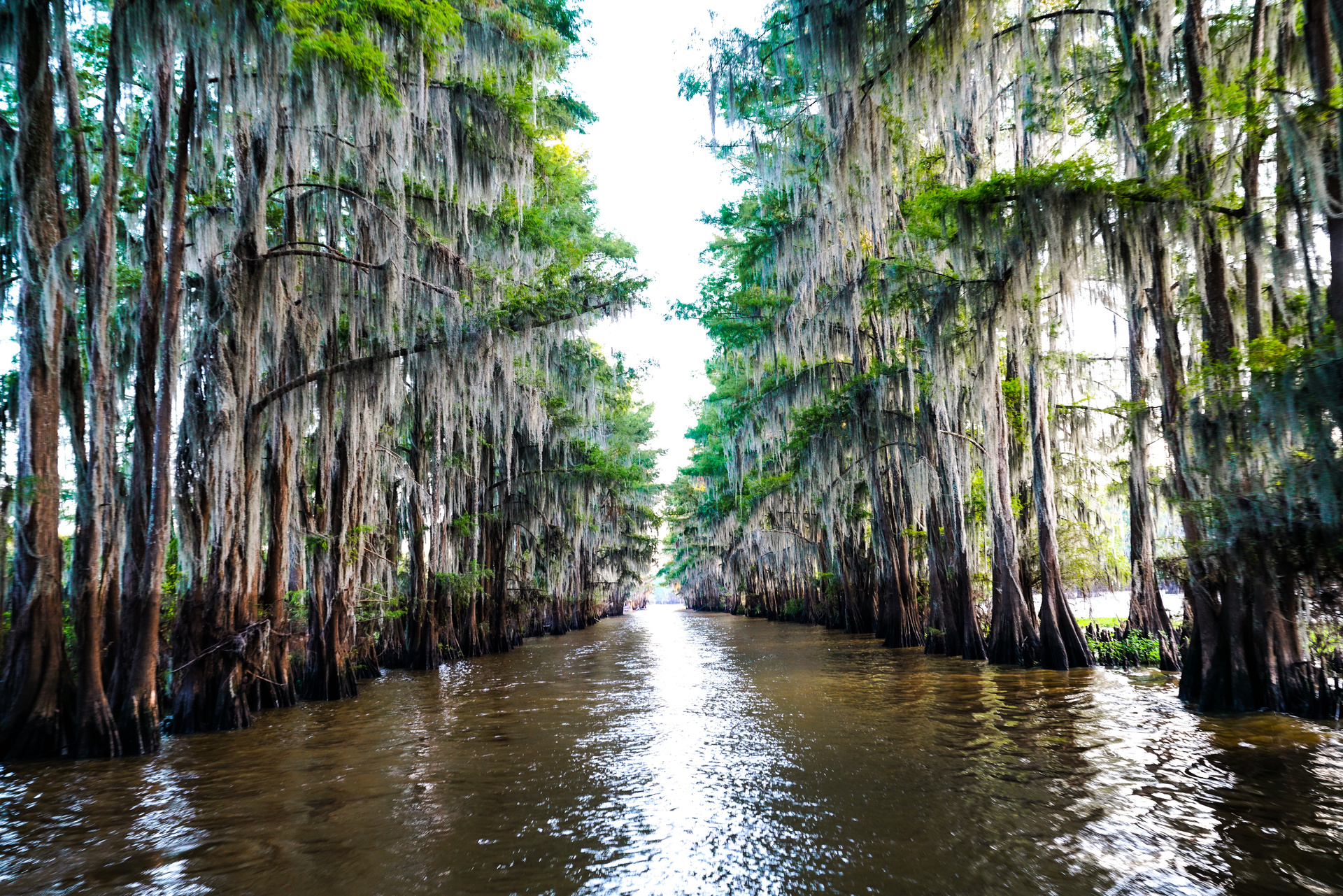
A swamp tour shows how everything connects. The water, the animals, the plants, and the history all tell one story when someone understands how to explain it”
MARRERO, LA, UNITED STATES, January 16, 2026 /EINPresswire.com/ -- Louisiana’s swamps represent one of the most distinctive ecosystems in North America. These wetlands support diverse wildlife, preserve regional history, and protect surrounding communities through natural water management. While many visitors experience swamps only from highways or documentaries, guided swamp tours provide a perspective that reveals how complex and connected these environments truly are.— Milton Walker Jr.
A guided swamp tour is not simply a boat ride. It is an educational experience shaped by local knowledge, environmental awareness, and firsthand observation. Professional guides understand seasonal patterns, animal behavior, plant life, and historical context that would otherwise remain unnoticed.
Swamps are dynamic systems. Water levels shift. Wildlife movements change. Vegetation responds to temperature and rainfall. A guided experience allows visitors to interpret these changes rather than simply observe them. What may appear to be quiet water often holds fish, reptiles, birds, and plant systems working together in balance.
Wildlife encounters are one of the most recognized aspects of swamp tours. Alligators, turtles, birds, and other species are frequently visible. Guides explain how these animals survive, hunt, nest, and adapt to changing conditions. This knowledge transforms sightings into understanding.
Plant life also tells a story. Cypress trees, Spanish moss, marsh grasses, and aquatic plants each play a role in the ecosystem. Guided tours highlight how these plants contribute to soil stability, water filtration, and habitat formation.
History is deeply tied to Louisiana’s swamps. Indigenous communities, early settlers, fishermen, and trappers relied on these wetlands for survival. Guided tours often include cultural context that connects modern visitors to the people who shaped and depended on the region.
Safety remains an important benefit of guided tours. Navigating swamps requires awareness of water depth, submerged obstacles, weather changes, and wildlife behavior. Professional guidance ensures that exploration occurs responsibly and respectfully.
Environmental awareness also increases through guided experiences. Visitors learn about conservation efforts, habitat protection, and the impact of human activity on wetland health. This understanding encourages appreciation rather than exploitation.
Access is another factor. Many swamp areas are unreachable without specialized equipment or local knowledge. Guided tours provide safe access while preserving sensitive environments.
Seasonal differences further enhance guided experiences. Spring reveals nesting activity. Summer highlights vegetation growth. Fall introduces migratory birds. Winter offers clearer visibility of animal movement. Guides adjust routes and commentary based on these natural cycles.
Photography and observation improve with guidance as well. Knowing where animals typically appear, how light interacts with water, and which areas hold the most activity allows visitors to capture meaningful moments.
Milton Walker Jr., owner of Louisiana Tour Company in Marrero, Louisiana, notes that guided tours reveal more than scenery.
“A swamp tour shows how everything connects. The water, the animals, the plants, and the history all tell one story when someone understands how to explain it,” said Walker.
Guided tours also support responsible tourism. Operators follow regulations that protect wildlife and preserve habitats. This structure ensures that future generations can continue to experience the same environments.
Another benefit is context. Without guidance, visitors may misinterpret what they see. A floating log may actually be an alligator. A cluster of plants may indicate nesting activity. A ripple may signal feeding behavior. Understanding turns observation into education.
Sound also plays a role. Birds, insects, and water movement create a natural soundtrack. Guides explain which sounds signal mating, warning, or communication. This layer often goes unnoticed without explanation.
Guided tours also highlight how swamps protect surrounding communities. Wetlands absorb storm surge, manage runoff, and stabilize coastlines. Learning this function increases respect for conservation efforts.
Accessibility is another advantage. Guided tours accommodate visitors of varying ages and experience levels. The environment becomes approachable rather than intimidating.
Walker explains that appreciation grows through understanding.
“When people understand what they are seeing, the experience becomes more meaningful. The swamp stops feeling distant and starts feeling alive,” Walker said.
Guided swamp tours also encourage patience. Wildlife appears on its own terms. Waiting becomes part of the experience. This slower pace allows visitors to disconnect from constant distraction and focus on the environment.
Education continues long after the tour ends. Visitors leave with knowledge that shapes how they view wetlands in other regions. Awareness replaces assumption.
For families, guided tours provide shared learning experiences. Children engage with nature directly rather than through screens. Questions lead to conversation. Curiosity leads to respect.
For photographers and writers, guided tours provide context that improves storytelling. Images and words gain depth when supported by understanding.
For visitors seeking authenticity, guided tours provide insight into Louisiana’s natural identity beyond urban culture.
The value of guided swamp tours lies not in entertainment alone, but in connection. Connection to environment. Connection to history. Connection to conservation.
Swamps are often misunderstood. Guided experiences correct those misunderstandings through clarity and perspective.
As Louisiana continues to balance tourism with preservation, guided swamp tours remain an important bridge between public interest and environmental respect.
They do not change the swamp. They change how the swamp is seen.
And when something is seen with understanding, it is far more likely to be protected.
Morgan Thomas
Rhino Digital, LLC
+1 504-875-5036
email us here
Visit us on social media:
Facebook
Legal Disclaimer:
EIN Presswire provides this news content "as is" without warranty of any kind. We do not accept any responsibility or liability for the accuracy, content, images, videos, licenses, completeness, legality, or reliability of the information contained in this article. If you have any complaints or copyright issues related to this article, kindly contact the author above.
