

Study Shows Smart Approaches to Monetizing Jewelry, Art, and Antique Collections
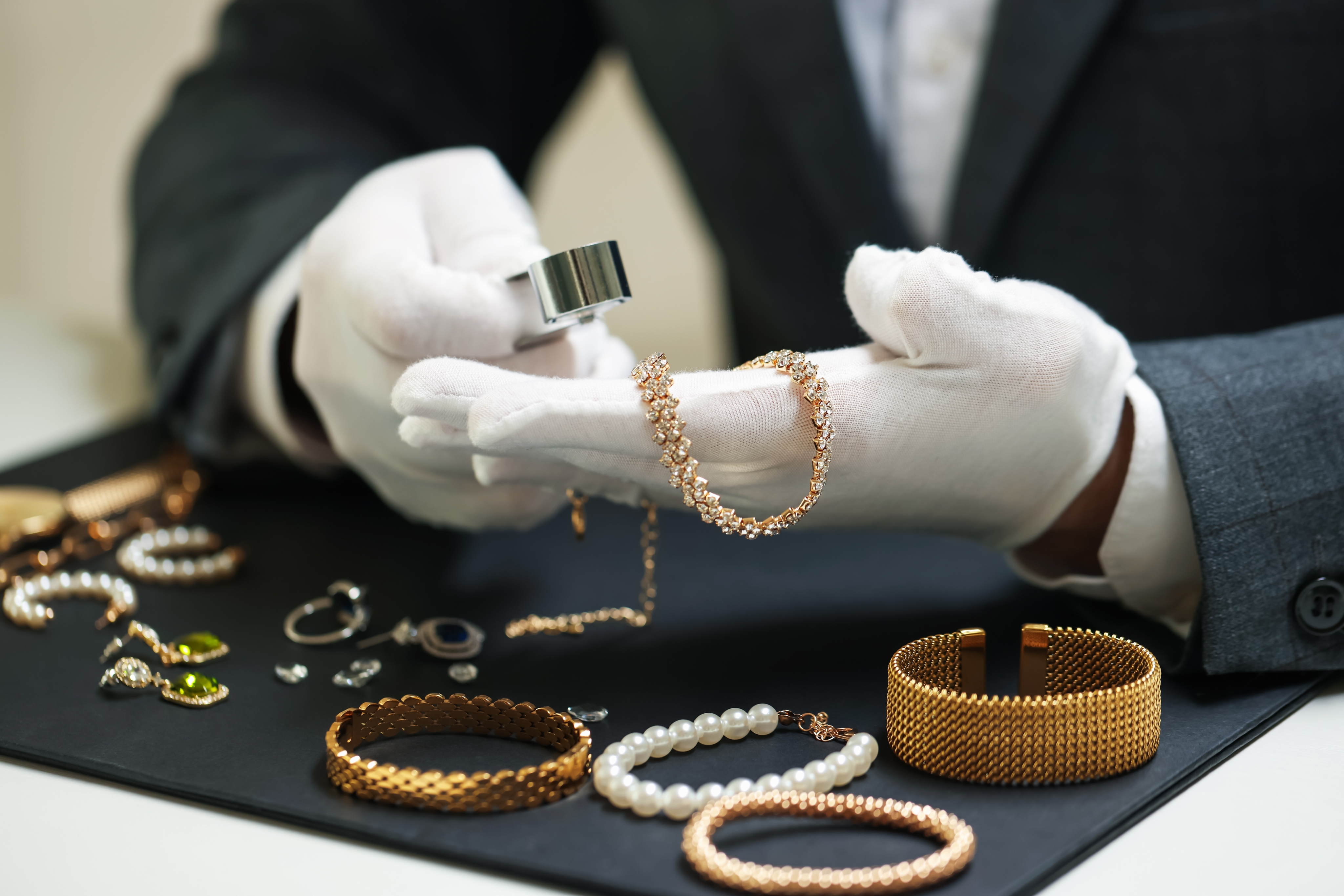
An expert appraiser carefully examines a diamond bracelet, highlighting the importance of authentication, provenance, and condition in building a profitable collectibles portfolio. Smart collecting transforms passion for jewelry, art, and antiques into bo

Art collectors explore contemporary works at a gallery exhibition, where provenance, authenticity, and market trends converge to shape both cultural appreciation and investment value. Strategic collecting turns passion for art into long-term financial opp

An elegant collection of antiques and vintage furniture showcases how history and artistry converge in timeless pieces. Strategic collecting of such items can preserve heritage while also building financial value for the modern investor.
Avi-Meir Zaslavsky of 999Precious Shares Expert Insights on Building a Profitable Collectibles Portfolio
“Collecting is not just about acquiring beautiful items,” says Zaslavsky. “It’s about recognizing pieces that carry intrinsic and market value. When approached strategically, collecting can be both personally fulfilling and financially rewarding.”
The modern collector seeks items that combine aesthetic appeal with investment potential. This dual approach requires research, careful acquisition, and an understanding of market dynamics. Jewelry, art, and antiques each present unique challenges and opportunities, and success in collecting depends on knowledge, patience, and informed decision-making.
Before purchasing any collectible, research is paramount. For jewelry, this includes understanding gemstones, metals, design trends, and brand heritage. In art, collectors must study artist provenance, techniques, and market demand. Antiques require knowledge of historical periods, craftsmanship, and rarity.
“Information is power,” emphasizes Zaslavsky. “Collectors who invest time in understanding the provenance, authenticity, and market value of an item are the ones who succeed.”
Utilizing resources such as auction records, dealer networks, online marketplaces, and collector communities enables a comprehensive understanding of pricing trends and future potential. This knowledge helps collectors avoid overpaying and identifies items with growth potential.
One of the most critical aspects of buying collectibles is provenance—the documented history of ownership—and authenticity. Zaslavsky notes, “Provenance can elevate a collectible’s value significantly. It reassures buyers that the piece is genuine and adds historical context that collectors and investors find invaluable.”
Authenticity verification is essential, particularly in markets where counterfeits and forgeries exist. Professional appraisals, certifications, and trusted dealer relationships are indispensable tools. For jewelry, checking gemstone treatments and metal purity is standard practice, while in art, authentication may include expert opinions, scientific analysis, and historical documentation.
Understanding the market is another critical component of smart collecting. Values of jewelry, art, and antiques fluctuate based on demand, cultural trends, and economic conditions. Zaslavsky explains, “The timing of buying or selling can dramatically affect returns. A well-timed purchase or sale can maximize profit, while poor timing can result in missed opportunities.”
Collectors should track auction results, gallery sales, and online listings to monitor demand trends. Seasonal factors, celebrity endorsements, and media coverage can also influence value. Staying informed allows collectors to make strategic moves that align with both personal interests and financial objectives.
Networking is key in the collectibles market. Developing relationships with dealers, auction houses, appraisers, and fellow collectors offers access to rare items and insider knowledge. Zaslavsky advises, “Strong relationships often lead to first access to exceptional pieces. They also provide guidance and market insight that is difficult to obtain otherwise.”
Collector communities, professional networks, and industry events provide opportunities to share experiences, learn best practices, and discover new investment prospects. Trust and credibility are crucial—reputable networks increase the likelihood of securing authentic and valuable items.
Condition is a major determinant of value in jewelry, art, and antiques. Well-preserved items typically command higher prices, while damage or excessive restoration can diminish value. Zaslavsky notes, “Restoration can enhance appearance, but it must preserve originality. Over-restoration can compromise authenticity and reduce market appeal.”
Collectors should assess any signs of wear, repair, or modification. Jewelry requires examination of stones, settings, and metal integrity. Art may involve evaluating paint layers, signatures, and preservation methods. Antique pieces require inspection for structural soundness, finish preservation, and originality of components. Understanding these details helps collectors make informed purchase decisions and anticipate future market performance.
Diversification is a key strategy for managing risk and optimizing returns. Zaslavsky explains, “A diverse collection balances potential market fluctuations. While one category may experience slow growth, others can offer strong appreciation.”
Diversification can include mixing jewelry styles, artistic movements, and antique periods. Incorporating different materials, such as gold, silver, or rare gemstones, also mitigates risk. By spreading investments across categories and time periods, collectors can enhance portfolio stability and long-term profitability.
For newcomers, Zaslavsky offers actionable advice:
1. Start Small and Learn: Begin with a manageable collection to gain experience.
2. Prioritize Quality Over Quantity: One exceptional piece is more valuable than several mediocre ones.
3. Verify Provenance and Documentation: Certificates of authenticity and historical records protect your investment.
4. Educate Yourself Continuously: Attend workshops, read reference materials, and track market trends.
5. Engage with the Collector Community: Networking provides access to insights, advice, and exclusive opportunities.
Following these steps helps build a strong foundation for confident collecting and informed decision-making.
Selling collectibles requires careful planning to maximize returns. Zaslavsky advises, “Selling is more than finding a buyer—it’s about presentation, timing, and market positioning.”
High-quality images, detailed descriptions, and professional appraisals enhance credibility and attract serious buyers. Selecting the appropriate sales channel—auction, private sale, or online marketplace—affects outcomes. Negotiation skills are essential, and patience often leads to higher returns. Understanding demand cycles and market trends ensures sales are executed at optimal moments.
Collecting should be approached with a long-term mindset. Zaslavsky emphasizes, “The best returns often come from patience and strategic planning. Timeless pieces retain value and appreciate over time, while fads fade quickly.”
Investing in pieces that carry historical significance, superior craftsmanship, and verified provenance ensures both personal enjoyment and financial growth. Maintaining proper documentation, storage, and insurance safeguards the investment for years to come.
Digital platforms and tools have transformed the collecting landscape. Online auctions, marketplaces, and databases allow collectors to research, verify, and purchase items globally. Zaslavsky notes, “Technology provides unprecedented access to information and opportunities. Savvy collectors leverage these tools to make smarter decisions and expand their reach.”
Virtual galleries, appraisal apps, and blockchain-based provenance records offer transparency and convenience. Collectors can now track market trends, verify authenticity, and discover new opportunities from anywhere in the world.
Collecting jewelry, art, and antiques is no longer solely about passion—it’s about making informed, strategic decisions that balance enjoyment with financial growth. Zaslavsky concludes, “Smart collecting combines knowledge, authenticity, timing, and relationships. Those who approach it with diligence and insight can transform their passion into a profitable venture.”
By following these modern strategies, collectors can confidently acquire, manage, and sell their items while building a portfolio that stands the test of time. Whether you’re drawn to exquisite jewelry, compelling art, or rare antiques, collecting smarter ensures both aesthetic satisfaction and potential financial reward.
Avi-Meir Zaslavsky
999Precious
info@999Precious.com
Visit us on social media:
LinkedIn
Instagram
Facebook
X
Legal Disclaimer:
EIN Presswire provides this news content "as is" without warranty of any kind. We do not accept any responsibility or liability for the accuracy, content, images, videos, licenses, completeness, legality, or reliability of the information contained in this article. If you have any complaints or copyright issues related to this article, kindly contact the author above.
